New Clients Save 10% On Their First Service
Protect Your Landscape With Tree Service in Keller, TX
Healthy trees contribute far more than curb appeal. We evaluate their condition, explain your options, and provide thoughtful tree care that supports long-term landscape health while helping you avoid unnecessary costs or preventable problems.
Caring For Trees Means Understanding How They Grow
Most homeowners don’t think much about their trees until something changes. A branch begins hanging lower than usual, leaves appear thinner than they did last season, mushrooms develop around the base of the trunk, or a recent storm leaves the canopy looking uneven. While these signs may seem unrelated, they’re often the tree’s way of responding to stress that has been developing for months or even years.
Trees are living organisms that continually adapt to their surroundings. Construction can disturb root systems, compacted soil can limit oxygen, repeated drought can reduce stored energy, and improper pruning can alter the way a canopy develops for decades. Even healthy trees gradually change as they mature, placing additional weight on major scaffold limbs and increasing the demands placed on their root systems. Ignoring those changes doesn’t simply affect the tree itself; it can eventually influence nearby structures, driveways, utilities, and the overall appearance of your landscape.
That’s why professional tree service should never begin with equipment. It should begin with observation. Before recommending trimming, preservation, removal, or another solution, we look at how the tree has developed, what factors may be influencing its health, and whether the issue can be corrected before it becomes more significant. Sometimes a relatively minor adjustment today helps avoid much larger work years later. Other situations reveal structural concerns that deserve prompt attention to protect both the tree and the surrounding property.
For homeowners throughout Colleyville, TX, thoughtful evaluations often provide something just as valuable as the work itself: a clearer understanding of what their landscape actually needs.
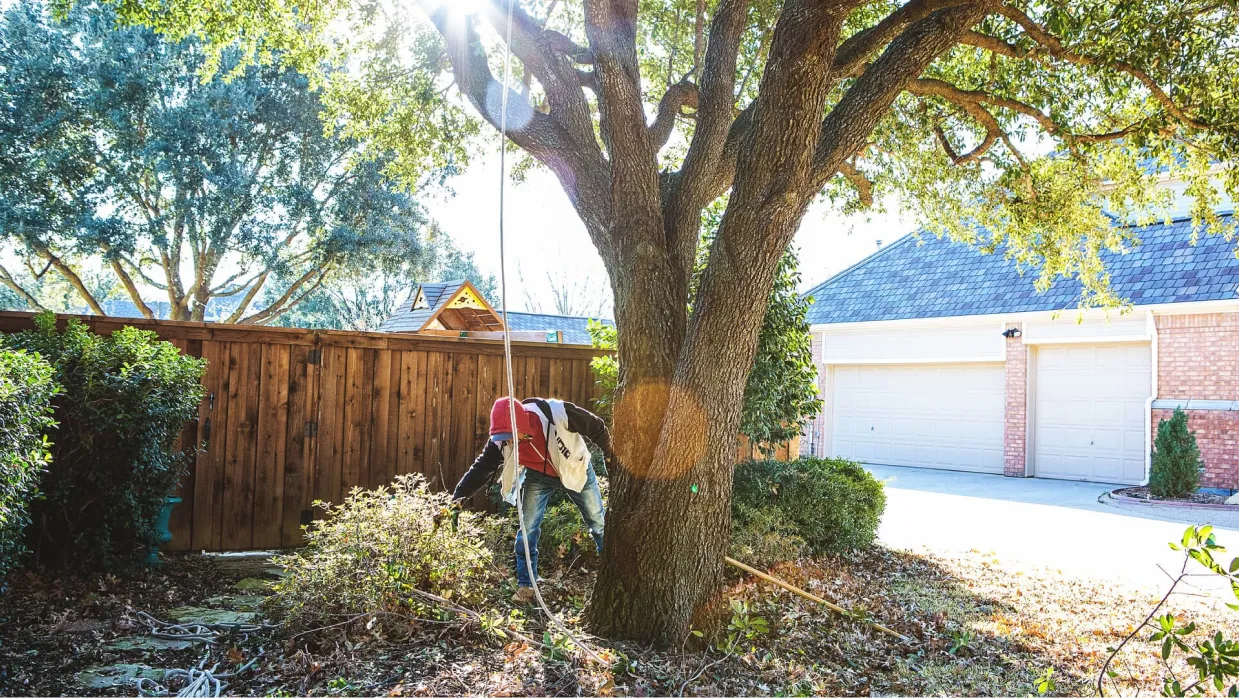
What Professional Tree Service Includes
Tree care involves much more than pruning branches or removing trees that have become hazardous. Every landscape contains a collection of living organisms that respond differently to weather, soil conditions, nearby construction, irrigation practices, and previous maintenance. Understanding those influences helps determine the most appropriate course of action before work begins.
A professional evaluation starts with the tree itself. We look at the canopy to see how it has developed over time, paying attention to branch spacing, weight distribution, and areas where limbs compete for the same growing space. Branches that cross or rub together can wear away protective bark, creating openings where insects and decay organisms may enter. Heavy limbs extending too far beyond the main canopy can also place excessive leverage on attachment points during strong winds, particularly after periods of heavy rainfall.
The trunk provides another important source of information. Vertical cracks, cavities, loose bark, fungal growth, or unusual swelling can indicate underlying structural concerns that deserve closer examination. While these conditions do not automatically mean a tree must be removed, they often influence the type of care recommended. In many cases, identifying these issues early gives property owners more opportunities to preserve mature trees rather than losing them after preventable decline.
Conditions below the soil deserve just as much attention. A healthy canopy depends on a healthy root system, yet root problems often remain hidden until visible symptoms appear above ground. Construction activity, repeated vehicle traffic, trenching, or years of compacted clay soil can reduce oxygen around roots and interfere with their ability to absorb moisture and nutrients. In North Texas, prolonged summer heat followed by periods of drought places additional stress on root systems, making regular evaluations particularly valuable for mature shade trees.
After understanding how the tree is responding to its environment, we discuss practical recommendations based on its current condition and your long-term goals for the property. Some landscapes benefit from structural pruning that redistributes canopy weight and encourages healthier branch architecture. Others require selective pruning to remove isolated defects while preserving the tree’s natural form. When a tree presents an unacceptable risk because of advanced decay, storm damage, or irreversible structural failure, removal may become the safest solution. We also provide stump grinding, land clearing, forestry mulching, emergency response, and mitigation services when they better support the property’s future plans.
Our role isn’t simply to perform tree work. It’s to help homeowners understand why a recommendation is being made, what benefits it provides, and how today’s decisions can influence the health, appearance, and longevity of their landscape for many years to come.
Tree Health Is Influenced by More Than What You Can See
A healthy tree doesn’t become healthy simply because its leaves are green or its canopy appears full from the street. Many of the conditions that influence long-term growth begin below the soil surface or develop gradually inside the canopy long before obvious symptoms appear. Understanding how trees respond to their environment allows property owners to address concerns while they are still manageable instead of waiting until damage becomes irreversible.
North Texas presents unique growing conditions that shape the way trees develop. Expansive clay soils shrink during prolonged dry weather and swell after heavy rainfall, placing repeated stress on root systems. Mature live oaks, red oaks, cedar elms, pecans, and other common species must continually adapt to these changing conditions while also coping with intense summer temperatures, periodic drought, and severe thunderstorms capable of producing damaging wind loads. Trees growing in neighborhoods with limited rooting space often experience additional stress as sidewalks, driveways, irrigation systems, and foundations compete for the same underground resources.
Seasonal inspections often reveal subtle warning signs that homeowners might never notice on their own. A thinning canopy can indicate declining vigor. Branch tips that fail to produce normal leaf growth may suggest root stress or reduced nutrient uptake. Clusters of dead twigs scattered throughout the upper canopy sometimes point to developing structural or physiological issues rather than isolated branch failure. Even mushrooms growing near the base of a tree deserve attention because certain fungal species are associated with root or trunk decay. Identifying these indicators early provides valuable information before larger portions of the tree become affected.
Pruning also plays an important role in maintaining long-term health, but every cut influences the tree’s ability to recover. Branches should be removed with respect for the branch collar, the specialized tissue that helps compartmentalize wounds and limit the spread of decay. Flush cuts and random topping remove this natural defense, creating larger wounds that recover more slowly and often stimulate weak, fast growing shoots that are more susceptible to future failure. Proper pruning focuses on improving structure while preserving the tree’s natural growth habit rather than forcing it into an artificial shape.
Environmental changes around the property can influence tree health just as much as storms or age. Excavation for new patios, home additions, swimming pools, or utility installations may sever important structural roots without immediate visible symptoms. Excess soil placed over an existing root zone can reduce oxygen availability, while repeated vehicle traffic compresses the soil and limits healthy root development. Even well intentioned landscaping projects occasionally create conditions that place mature trees under unnecessary stress.
By evaluating these factors together instead of looking at a single symptom in isolation, we can recommend care that reflects the tree’s actual condition. Sometimes routine maintenance is all that’s required. In other situations, selective pruning, mitigation planning, or closer monitoring helps preserve valuable trees before problems become significantly more difficult to address. Our objective is to help property owners understand not only what their trees need today, but why those recommendations support the landscape for years to come.
When Property Owners Turn to Professional Tree Care
Every property tells a different story, and the reason someone calls us is rarely the same from one project to the next. Some homeowners are responding to an obvious concern, while others simply want to protect mature trees before small issues develop into larger ones. Over the years, we’ve found that thoughtful tree care often begins with a conversation about what the property owner has noticed and what they hope to preserve.
A common situation involves trees that have gradually changed over several growing seasons. Perhaps a canopy has become noticeably thinner, large limbs now extend over the roof, or branches sway differently during strong winds than they once did. While these changes can be part of natural aging, they may also indicate shifting weight distribution, declining branch attachments, or stress within the root system. Evaluating those conditions early provides more opportunities to preserve the tree and reduce future maintenance.
Storms create another reason property owners seek guidance. North Texas weather can expose weaknesses that remained hidden for years, leaving split limbs, hanging branches, or partially uprooted trees behind. Not every storm damaged tree requires removal, however. The extent of the damage, the species involved, the remaining structure, and the condition of the root system all influence whether restoration remains practical. Understanding those factors helps homeowners make informed decisions rather than reacting to the immediate appearance of the damage.
Construction and remodeling projects also raise important questions. Building additions, installing driveways, expanding outdoor living spaces, or clearing land often brings mature trees into closer proximity with excavation equipment. Root protection, mitigation planning, and selective preservation become important considerations before work begins, especially where municipal regulations apply. Careful planning during this stage may help preserve valuable trees while supporting the goals of the project.
Utility line clearance presents another challenge throughout established neighborhoods. Utility crews focus on maintaining safe electrical clearances, but the resulting canopy often appears uneven once the work is complete. We frequently assist homeowners before utility work begins by reducing potential conflicts through thoughtful pruning or afterward by helping restore canopy balance and encouraging healthier future growth.
Many clients also contact us because they simply want a better understanding of the trees growing on their property. They may have recently purchased a home with mature landscaping, inherited trees that haven’t been maintained for years, or want guidance before investing in significant landscape improvements. These conversations often become opportunities to identify concerns early, preserve healthy specimens, and develop a practical plan that supports both the beauty and longevity of the landscape.
Professional tree service isn’t only about responding when something goes wrong. It’s about understanding how trees grow, recognizing changes before they become expensive problems, and making informed decisions that help valuable landscapes continue thriving for generations.
Frequently Asked Questions
-
There isn’t a single schedule that fits every property. The age of the tree, its species, recent weather, nearby construction, and overall condition all influence how frequently it should be inspected. Mature trees growing near homes, driveways, patios, or other frequently used areas often benefit from periodic evaluations because they carry greater structural responsibility than younger trees. It’s also wise to arrange an inspection after severe storms or before beginning major landscape or construction projects. Regular evaluations make it easier to identify developing concerns while there are still multiple management options available.
-
Tree trimming is one component of a much broader tree service program. While trimming focuses on improving canopy structure, removing deadwood, or managing branch growth, complete tree service considers the entire health of the tree and its surroundings. That may include evaluating root conditions, inspecting for structural defects, recommending mitigation during construction, removing hazardous trees, grinding stumps, or developing a long-term maintenance plan. Looking at the whole landscape instead of one immediate concern often leads to better decisions for both the trees and the property.
-
In many situations, yes. The outcome depends on several factors, including the amount of canopy that was lost, whether the trunk or major scaffold limbs were compromised, and the stability of the root system. Some trees respond well to corrective pruning that removes damaged material while encouraging healthy new growth. Others may have sustained structural damage that makes long-term preservation impractical. An evaluation helps determine which option best supports safety while considering the future health of the tree instead of relying solely on its appearance immediately after a storm.
-
Trees usually provide warning signs before significant problems develop. Small cracks can become major structural failures, isolated areas of decay may gradually spread, and overcrowded branches continue adding weight as the canopy expands. Addressing these conditions early often requires less corrective work than responding after storm damage or extensive decline has occurred. Routine maintenance also helps preserve mature trees that contribute shade, character, and long-term value to a property, reducing the likelihood of unexpected emergency situations later.
-
Yes. Construction projects frequently affect trees long before work begins. Excavation, grading, trenching, and changes to soil elevation can all influence root health and long-term stability. We provide tree mitigation services, evaluate existing tree health, and help property owners understand municipal preservation requirements before development moves forward. Early planning often protects valuable trees, supports project timelines, and may reduce replacement obligations when local regulations apply.
Give Your Trees The Attention They Deserve Before Small Issues Become Bigger Ones
Whether you’ve noticed changes in your landscape or simply want a better understanding of your trees, we’re here to help you make thoughtful decisions that support their future.